
Noches largas, dando vueltas en la cama, la mente tan clara como el día, el cuerpo agotado pero incapaz de conciliar el sueño: esta es la realidad de innumerables personas que sufren de insomnio. Muchos tratan el insomnio simplemente como la incapacidad de dormir, confiando en pastillas para dormir y melatonina para forzarse a dormir, ignorando las raíces psicológicas y físicas más profundas detrás de él. Desde la perspectiva de la medicina tradicional china, el insomnio se debe esencialmente a la incapacidad de la energía Yang para regresar a casa; cuando debería conservarse y almacenarse, permanece flotando en la superficie, incapaz de entrar en el Yin y calmar la mente. Desde una perspectiva de la medicina moderna, Hydrogen and Oxygen Inhalation Machine puede armonizar la mente y el cuerpo desde múltiples dimensiones, incluyendo la función fisiológica, la regulación nerviosa y la reparación del organismo, ayudando a las personas a superar gradualmente el insomnio.
El texto clásico de la medicina china, *Huangdi Neijing*, explica claramente la estrecha relación entre el sueño y la circulación de la energía Yang. El Wei Qi (Qi defensivo) circula en el Yang durante el día y en el Yin por la noche; su circulación en el Yang produce vigilia, mientras que su circulación en el Yin produce un sueño reparador. El ciclo día-noche del cuerpo humano, el sueño y la vigilia, es un ritmo natural de ascenso y descenso, de alternancia y circulación del Qi Yin y Yang. Durante el día, el Qi Yang asciende y circula por todo el cuerpo, apoyando nuestro trabajo, pensamiento y actividades; al caer la noche, el Qi Yang debería retirarse naturalmente, hundiéndose en el aspecto Yin de los cinco órganos internos, permitiendo que la mente esté en paz, el cuerpo se relaje y se entre naturalmente en un sueño profundo.
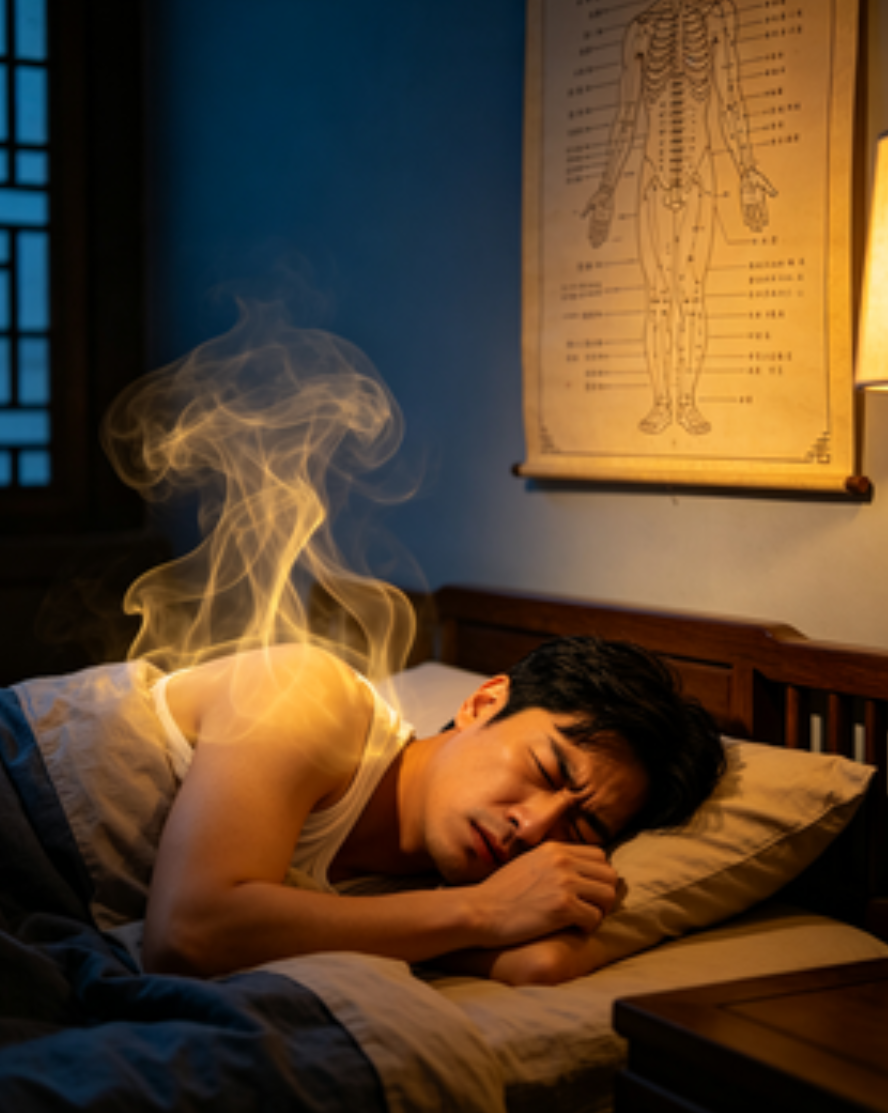
El insomnio, también conocido como falta de sueño en la medicina tradicional china (MTC), es causado fundamentalmente por el fracaso del Yang en entrar en el Yin. El pensamiento excesivo prolongado y el estrés mental pueden conducir fácilmente a un exceso de fuego del corazón y del hígado, lo que resulta en una abundancia de energía Yang inquieta e incapaz de asentarse. Las personas en esta categoría suelen experimentar dificultad para conciliar el sueño, pensamientos caóticos, sueños vívidos y despertares frecuentes. Muchas personas de mediana edad y ancianas, así como aquellas con constituciones débiles, sufren fatiga crónica que agota su Qi y sangre, lo que conduce a una insuficiencia de los fluidos Yin. Como un estanque poco profundo incapaz de nutrir la energía vital, el Yin no logra restringir el Yang, lo que resulta en calor interno. Esto suele manifestarse como sudores nocturnos, boca seca, irritabilidad y dificultad para volver a dormir después de despertarse temprano por la mañana. Además, una dieta poco saludable y un estilo de vida sedentario pueden generar fácilmente flema y humedad, obstruyendo los meridianos. Esto actúa como obstáculos en el camino, bloqueando el flujo de la energía Yang hacia el Yin, lo que provoca sueño superficial, despertares frecuentes y fatiga matutina. En última instancia, el insomnio nunca es solo un simple problema de sueño, sino una señal de un desequilibrio del Yin y el Yang y de un trastorno del Qi en el cuerpo. La clave para regular el insomnio no es forzar el sueño, sino desbloquear el flujo del Qi, guiar el Yang hacia el Yin y permitir que el Yang errante regrese a casa de forma segura.
Desde la perspectiva de la teoría médica moderna, el insomnio está estrechamente relacionado con muchos factores, incluidos los trastornos neurológicos cerebrales, el daño por estrés oxidativo, la inflamación crónica de bajo grado, el desequilibrio de neurotransmisores y la insuficiencia de oxígeno en el cerebro. La privación prolongada del sueño y el estrés inducido por la ansiedad mantienen el cerebro en un estado de excitación crónica, lo que conduce a la acumulación de radicales libres dañinos y a una fuerte respuesta de estrés oxidativo. Esto daña el hipotálamo, la glándula pineal y otros centros clave de regulación del sueño, dando lugar a una excitabilidad neuronal anormalmente alta, un estado que resuena con el concepto de "energía Yang flotante" en la Medicina Tradicional China. Al mismo tiempo, la microinflamación crónica persistente estimula los nervios, causando irritabilidad y tensión, y alterando el reloj biológico. Combinado con desequilibrios en la secreción de la hormona del estrés cortisol y una secreción insuficiente de neurotransmisores inhibidores, estos múltiples factores conducen finalmente a un insomnio intratable.
1 Oxgen 2 Hydrogen como método de intervención física que actualmente está recibiendo mucha atención en el campo de la salud, aprovecha las dobles ventajas de las moléculas extremadamente pequeñas y la fuerte penetración del hidrógeno, y la capacidad del oxígeno para reponer y energizar, para mejorar fundamentalmente las causas subyacentes del insomnio. El hidrógeno puede penetrar fácilmente la barrera hematoencefálica, llegando directamente al tejido nervioso cerebral para ejercer su efecto antioxidante selectivo, eliminando con precisión los radicales libres dañinos en el cuerpo, reparando las células nerviosas reguladoras del sueño dañadas, sin alterar las funciones metabólicas fisiológicas normales del organismo, y calmando gradualmente los estados nerviosos sobreexcitados. Al mismo tiempo, el hidrógeno puede inhibir la actividad de los factores inflamatorios en el cuerpo, reducir la inflamación crónica de bajo grado en el cerebro y en todo el organismo, limpiar la circulación metabólica del cuerpo y eliminar obstáculos internos que interfieren con el sueño. Combinado con la inhalación de una concentración adecuada de oxígeno, puede mejorar eficazmente la microcirculación cerebral, aumentar el suministro de oxígeno en el tejido cerebral, aliviar la irritabilidad, el mareo y la inquietud causados por la hipoxia cerebral, y crear un entorno fisiológico estable y tranquilo para los nervios.
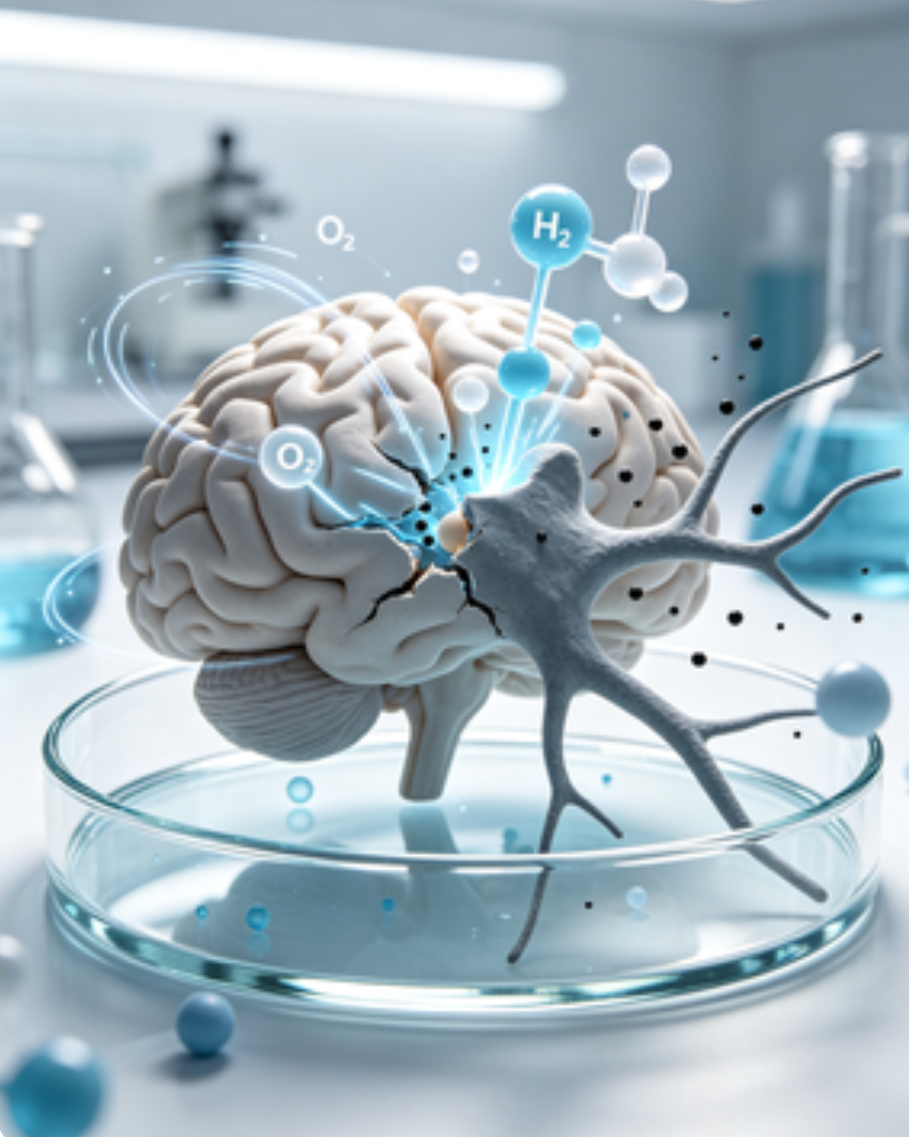
A nivel de la regulación nerviosa, el hidrógeno y el oxígeno también pueden regular de forma bidireccional los niveles de neurotransmisores clave y los sistemas endocrinos del cuerpo humano, ayudando a equilibrar la secreción de ácido gamma-aminobutírico (GABA) y serotonina en el cerebro, potenciando la capacidad calmante y relajante de los nervios, y aliviando el insomnio causado por emociones negativas como la ansiedad y la depresión. Al mismo tiempo, ayuda a regular la función de la glándula pineal, regulando la secreción normal de melatonina, corrigiendo ritmos circadianos desordenados, reduciendo los niveles excesivamente altos de cortisol y mejorando el insomnio inducido por el estrés y el insomnio relacionado con el estado de ánimo. En comparación con los somníferos tradicionales, el hidrógeno y el oxígeno son una forma de regulación física y natural, sin dependencia de fármacos, sin carga para el metabolismo hepático y renal, y sin efectos secundarios como mareos o somnolencia durante el día. Es adecuado para el uso a largo plazo por diversos grupos de personas con insomnio, incluidos los ancianos, las personas con enfermedades crónicas y aquellas bajo estrés prolongado.
Desde una perspectiva de aplicación clínica, numerosos ensayos clínicos tanto nacionales como internacionales realizados durante los últimos años en personas con trastornos del sueño han confirmado el valor práctico del hidrógeno y el oxígeno para mejorar el insomnio. Muchos ensayos clínicos aleatorizados y controlados han seleccionado sujetos de diferentes edades y tipos de insomnio, utilizando la inhalación diaria y programada de hidrógeno y oxígeno antes de dormir como intervención, con observación continua y registro periódico de datos del sueño. Los resultados clínicos muestran que, tras una intervención constante de inhalación de hidrógeno y oxígeno, los sujetos experimentaron una reducción significativa de la latencia del sueño, un aumento sustancial en la rapidez para conciliar el sueño, una disminución del número de despertares nocturnos, una mejora significativa en la continuidad del sueño y una prolongación efectiva del tiempo total de sueño. La evaluación del Índice de Calidad del Sueño de Pittsburgh mostró mejoras significativas en múltiples áreas, incluyendo la calidad del sueño, los trastornos del sueño y el estado mental diurno, mientras que los síntomas asociados como irritabilidad, fatiga y bajo estado de ánimo también se aliviaron.

Las observaciones clínicas de diferentes grupos, incluidos adultos de mediana edad y ancianos con insomnio crónico, insomnio secundario a enfermedades crónicas e insomnio causado por el estrés laboral, también han encontrado que el sueño con hidrógeno y oxígeno tiene un efecto regulador estable y suave. No se requieren restricciones dietéticas ni horarios estrictos de trabajo y descanso; simplemente mediante una inhalación diaria suave, puede armonizar gradualmente el entorno interno del cuerpo, reparar los ritmos nerviosos y restaurar lentamente el sueño desordenado a un estado natural. A diferencia de los somníferos de acción corta que solo alivian temporalmente los síntomas, el hidrógeno y el oxígeno fortalecen el cuerpo desde múltiples dimensiones —antioxidante, antiinflamatoria, reparación nerviosa y regulación del ritmo— para lograr una mejora a largo plazo del sueño reparador.
La interacción entre las perspectivas de la medicina tradicional china y la medicina occidental permite una comprensión más profunda de la lógica subyacente de la capacidad del hidrógeno y el oxígeno para mejorar el insomnio. La medicina tradicional china enfatiza promover el flujo de Qi y sangre, calmar la mente y el espíritu, y guiar el Qi Yang hacia el Yin. Las moléculas de hidrógeno y oxígeno, al ser finas y permeables a los meridianos del cuerpo, pueden despejar la estasis de Qi y sangre, resolver obstrucciones de flema y humedad, nutrir el Yin y la sangre deficientes, y ayudar a restringir el exceso de Qi Yang. La medicina moderna, basándose en mecanismos celulares y neuronales, utiliza efectos antioxidantes y antiinflamatorios, regula neurotransmisores, mejora el suministro de oxígeno, repara funciones fisiológicas y reconstruye la homeostasis del sueño. Ambos enfoques tienen como objetivo final abordar la causa raíz de los desequilibrios en la mente y el cuerpo, en lugar de recurrir simplemente a la inducción forzada del sueño.
Cada vez más personas sufren de insomnio, lo que agota su energía, daña su apariencia y, a largo plazo, debilita el sistema inmunológico y acelera el deterioro de las funciones corporales. No necesitamos depender en exceso de medicamentos para forzar el sueño. En su lugar, podemos seguir los ritmos naturales del cuerpo, alineándonos con el ascenso y descenso de la energía Yang, y utilizando métodos suaves como el hidrógeno y el oxígeno para nutrir el cuerpo y la mente, despejar bloqueos, calmar los pensamientos inquietos y permitir que el exceso de energía Yang regrese a su lugar adecuado, restaurando el cuerpo a su ritmo natural de estar despierto durante el día y dormir por la noche. Dormir bien nunca es algo trivial; un sueño reparador es la forma más simple y preciosa de nutrir el cuerpo y la mente.
Si quieres saber más sobre Hydrogen Oxygen Inhaler,por favor escanea https://www.liryhydrogen.com/
Tel : 13538439078
Whatsapp & Wechat : 13538439078
Whatsapp & Wechat : 13424783848
Correo electrónico : cindy@liryhydrogen.com alisa@liryhydrogen.com
Skype : cindyzourui
Room 807, Building 4, No. 2 R&D 5th Road, Songshan Lake,Dongguan City,Guangdong Province,China